
Arrest Warrants in Rutherford County
Every arrest warrant in Rutherford County starts the same way. A complainant or officer swears out a complaint or affidavit. Then a magistrate, judicial commissioner, or judge reviews it for probable cause. If the facts hold up, that official issues process within his or her authority, and the warrant directs an officer to arrest the named person. Felony cases usually open in General Sessions for the preliminary stage, then move to Circuit Criminal after a bind over or indictment. A city citation, by contrast, stays on its municipal route.
Rutherford County Probable-Cause Review
Before a Rutherford County arrest warrant issues, the complaint or affidavit gives the reviewing official the facts behind the request. A docket search can show the case and its events, but a docket is not the warrant itself, and it will not expose an unserved order. The county lists its Judicial Commissioners at 615-217-0054. Many misdemeanors and preliminary matters run through General Sessions Criminal first, and a felony can be transferred to Circuit Criminal once the lower-court stage ends.
What a Rutherford County Arrest Warrant Contains
Tennessee law sets out what a warrant must carry. It lists the person's identifying details, the charge, and an affidavit copy in the process. Rutherford County publishes no unserved sample record and no county warrant-number pattern.
| Warrant Number | Use the number on the court’s document; no public local format was found. |
|---|---|
| Named Subject | Identifies the person named in the court process. |
| Charge / Offense | Shows the alleged offense and applicable classification. |
| Issuing Judge / Court | Identifies the judicial authority and court record holder. |
| Bond / Bail Set | Depends on the case and judicial order; no universal county amount is published. |
| Date Issued | Read with service, return, and later court events. |
Rutherford County Unserved Warrants Stay Restricted
The RCSO treats unserved arrest warrants as closed information. Nothing is public until the warrant is served. The Sheriff posts no public active-warrant search page, gives no criminal-warrant details by phone, and a records request will not open a restricted unserved file. For a personal check, go to the Warrants lobby with identification. For a served warrant, ask the court or RCSO for that specific document, and expect investigation, seal, and juvenile limits to apply.
How Rutherford County Arrest Warrants Are Served
The RCSO Criminal Warrants Division serves active criminal warrants and coordinates with agencies inside and outside Rutherford County. City police can execute process tied to their own cases. The agency making the arrest is not always the clerk controlling the docket. After the arrest comes booking and judicial review. Rutherford County holds some General Sessions hearings in a courtroom inside the Adult Detention Center, so a jailed defendant may see a judge there. Bond and release terms depend on the charge and the court.
Rutherford County Arrest and Federal Routes Differ
A federal warrant never lands in a Rutherford County clerk's file. The county sits in the Middle District of Tennessee, and federal process is served by federal agencies such as the U.S. Marshals Service. A check with the county Sheriff cannot certify federal status. The Middle District court and the U.S. Marshals Tennessee page describe those separate offices, and the federal court site is the official district route. PACER shows some federal docket activity, not a complete warrant list.
U.S. District Court, Middle District of Tennessee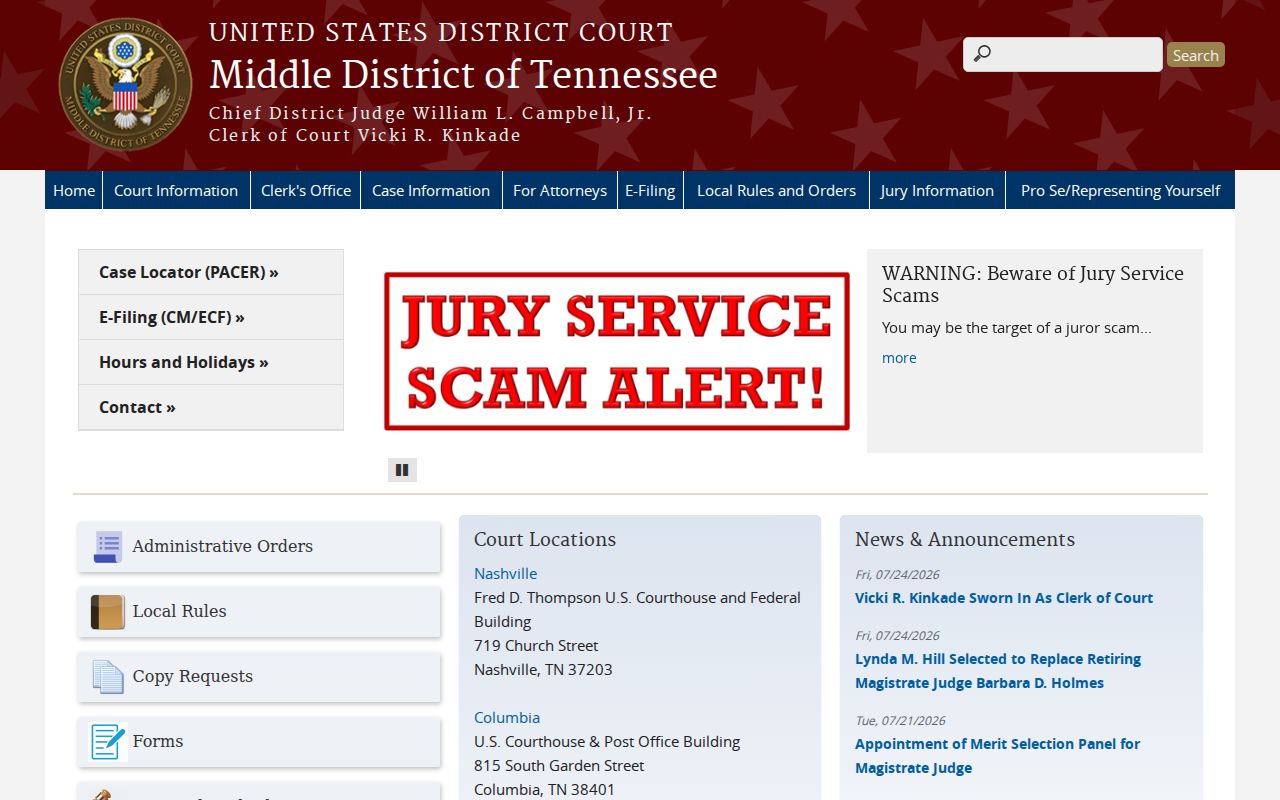
A federal docket and a Rutherford County court record are not interchangeable. PACER's fee page explains the charges for federal docket access.
PACER access fees and document limits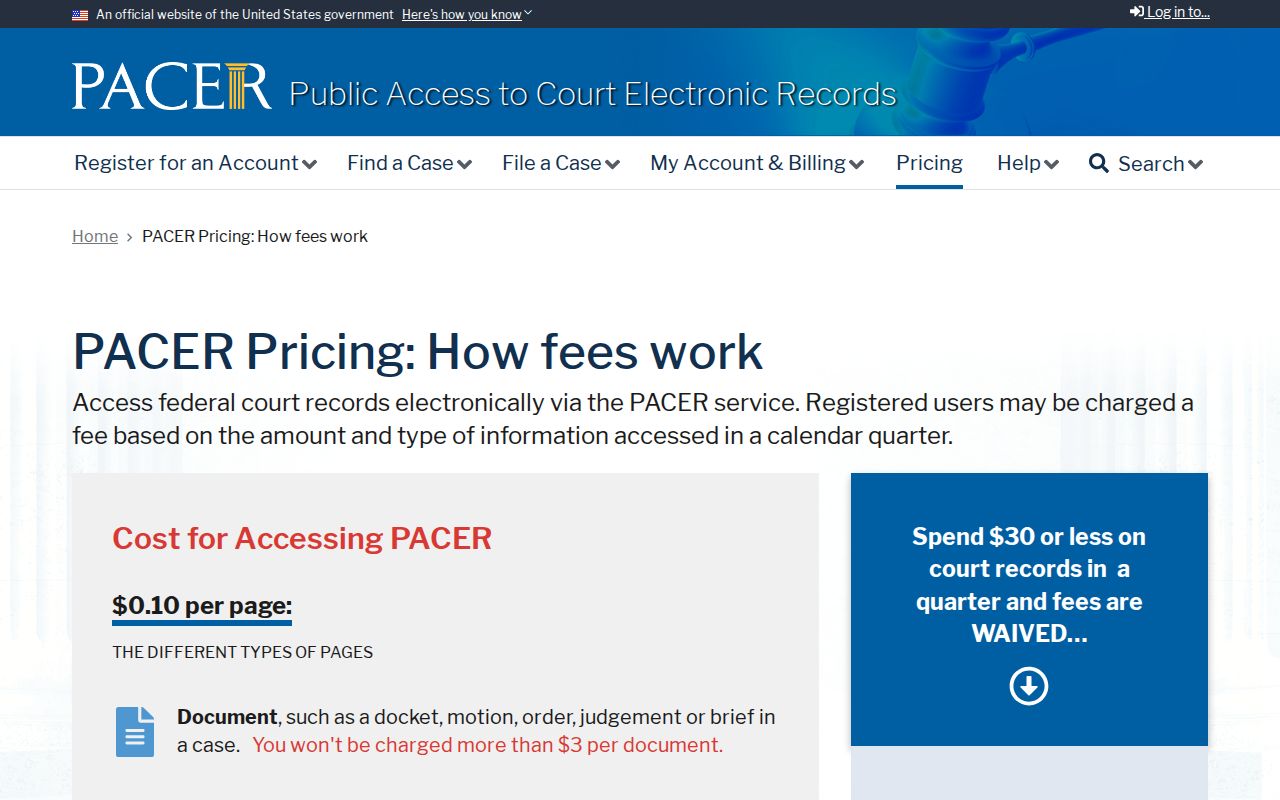
Even a docket result or no result is not a federal warrant confirmation.
Arrest Warrant vs Summons vs Bench Warrant
Tennessee courts have three tools. One directs an arrest, one orders a person to appear by summons, and a bench warrant answers a missed obligation. A Rutherford County clerk can tell you which document controls a known case. The steps differ, so treat each notice on its own terms.
| Feature | Arrest Warrant | Summons | Bench Warrant |
|---|---|---|---|
| What It Orders | Take a named person into custody | Appear at a stated time | Custody or appearance after a missed duty |
| Basis | Probable cause | Court’s chosen appearance route | Failure to appear or comply |
| Who Issues It | Authorized judge or magistrate | Court or authorized official | Judge in the existing case |
| How to Respond | Ask counsel and court about surrender or bond | Appear as directed | Ask the issuing court about recall or reset |
Rutherford County Warrant Service and Booking
In Rutherford County, RCSO handles service and investigation, while court clerks control the docket and any recall. A person taken into custody may be booked and then appear in the detention-center General Sessions courtroom instead of the Judicial Center. For an already-served case, ask RCSO or the court for a releasable record. A bond permits release under court terms. It does not decide the underlying charge.
What to Do If There Is a Warrant for You
First, verify the issuing court and the warrant's status through a lawyer or the office holding the record. RCSO's public instruction is an in-person check with ID, and it does not promise an arranged surrender. Counsel can ask the Rutherford County court about a voluntary appearance, bond, a reset, or a motion to recall or quash. Keep the written order, bond receipt, or clerk confirmation. A served or recalled warrant does not end the case, so ask for the next court date.
Important: Speak with a lawyer before surrender or payment. Confirm the court, report location, bond terms, and written record of any recall.
Rutherford County Served-Record Requests
For an incident or served-warrant record, go to the custodian holding the file. RCSO asks for the report type, date, officer or case details, a description, and valid ID. Its form states that active investigations are not released and allows seven business days for a reply, which is a response window rather than guaranteed production. For a known court document, ask the General Sessions or Circuit Criminal clerk. The county TPRA page covers existing Rutherford County records but does not open the Sheriff's restricted unserved warrant information.